Turkish Radio and Television Supreme Council, Cinema Museum of Iran discuss mutual cooperation
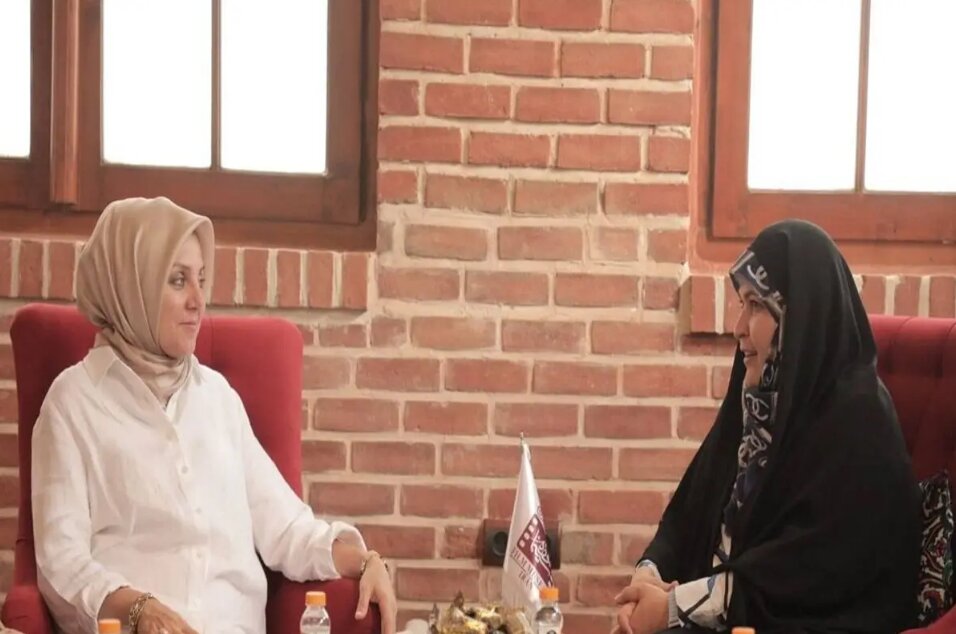
TEHRAN – In an effort to develop cultural and cinematic cooperation between the Islamic Republic of Iran and Turkey, a delegation from the Turkish Radio and Television Supreme Council (RTUK) visited the Cinema Museum of Iran in Tehran on Saturday.
During the visit, the Turkish delegation met with Fatemeh Mohammadi Sijani, Director General of the Museum, to discuss potential avenues for cooperation in cinema, research, education, and co-productions, ILNA reported.
The Turkish delegation included Feyza Gizligider, head of the Strategy Development Department at RTUK, along with Fatma Güleç, deputy of the Strategy Development Department of the RTUK.
During the visit, the Turkish delegation toured various sections of the museum and examined a collection of historical artifacts, documents, equipment, and items significant to Iranian cinema history. They were also provided with presentations regarding the origins of cinema in Iran and the evolution of film technology within the country.
Expressing her admiration for the history of Iranian cinema, Feyza Gizligider noted that the arrival of cinema cameras in Iran—only five years after their invention—was a particularly fascinating aspect. Highlighting the documentation activities and existing capacities in both nations, she emphasized the importance of expanding cultural and academic collaborations.
While noting that Turkey also possesses a cinema museum, she described the Cinema Museum of Iran as a comprehensive and significant collection. She expressed hope for the development of academic ties between the Iran Cinema Museum and Turkish universities.
For her part, Mohammadi detailed the museum’s diverse capabilities, stating that its activities extend far beyond the mere preservation and display of cinematic equipment. The museum also houses cinematic literature from around the world and various film scripts.
Highlighting the museum’s research institute and its established links with Iranian film universities, Mohammadi expressed readiness to establish similar connections and partnerships with Turkish film universities.
In another segment of the meeting, the Turkish delegation emphasized the importance of providing “media literacy” training to filmmakers, noting that such specialized training has a more profound impact compared to general public education.
The establishment of film analysis sessions involving film students from both countries was also proposed as a key area for cooperation. It was suggested that Turkish film students travel to Iran to participate in these sessions, while Iranian students would conversely attend similar programs in Turkey. Based on this vision, direct dialogue and the exchange of cinematic perspectives between students are expected to lead to effective and sustainable scientific and cultural engagement.
Furthermore, the proposal to establish a “Kiarostami School” was raised as a potential pillar of educational and cultural cooperation.
The meeting underscored vast opportunities for bilateral cooperation across various cinematic fields, including co-production, educational programs, student exchange, research collaboration, film analysis, and the exchange of expertise in media policy and content monitoring.
Gizligider noted the Council’s responsibility regarding the monitoring of film and media content in Turkey. She highlighted the cultural sensitivities and shared values existing between the two countries in this regard.
Mohammadi referenced successful cultural collaborations among member states of the Shanghai Cooperation Organization (SCO), including the idea of producing a joint film. She suggested exploring a similar initiative among the member states of the Economic Cooperation Organization (ECO).
She proposed that, with the participation of ECO member states, a joint cinematic project could be produced to facilitate cooperation among filmmakers and showcase the cultural and artistic capacities of these nations. Mohammadi noted that such a project could serve as an effective cultural tool to better introduce the ECO organization and strengthen cultural ties, moving toward implementation upon further review and agreement.
In conclusion, both parties emphasized the readiness and potential for expanding cultural, cinematic, research, and educational cooperation, expressing hope that continued engagement will pave the way for joint projects and the exchange of expertise between the cinematic and academic centers of Iran and Turkey.
Photo: Feyza Gizligider (L) and Fatemeh Mohammadi Sijani meet at the Cinema Museum of Iran in Tehran on August 22.
SS/SAB
Leave a Comment