-

Grand Ayatollah Vahid Khorasani Passes away at 105
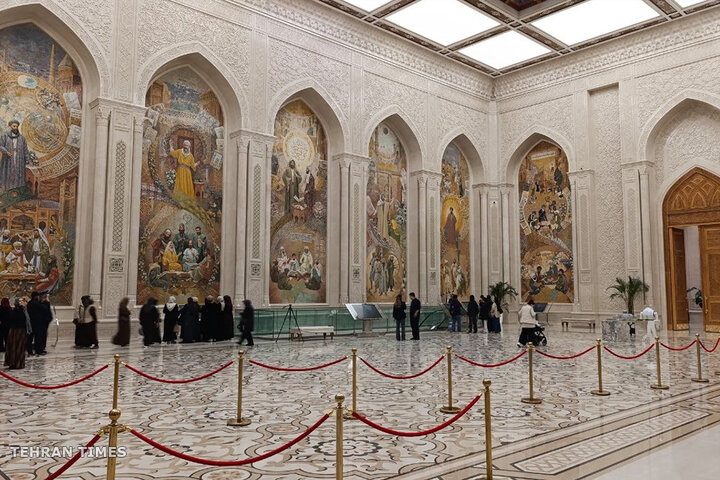
TEHRAN- Grand Ayatollah Sheikh Hossein Vahid Khorasani, one of the most prominent Shiite religious authorities and Islamic scholars, has passed away at the age of 105.
-

Iran calls for condemnation of US-Israeli attacks on peaceful facilities
TEHRAN- Iran’s ambassador to the United Nations has called for unequivocal condemnation of US-Israeli attacks on Iran’s peaceful nuclear, chemical and biological facilities, warning that international silence over such actions threatens the credibility of global disarmament and non-proliferation regimes.
-
Iran condemns Bahrain's sentencing of Shiite clerics, citizens
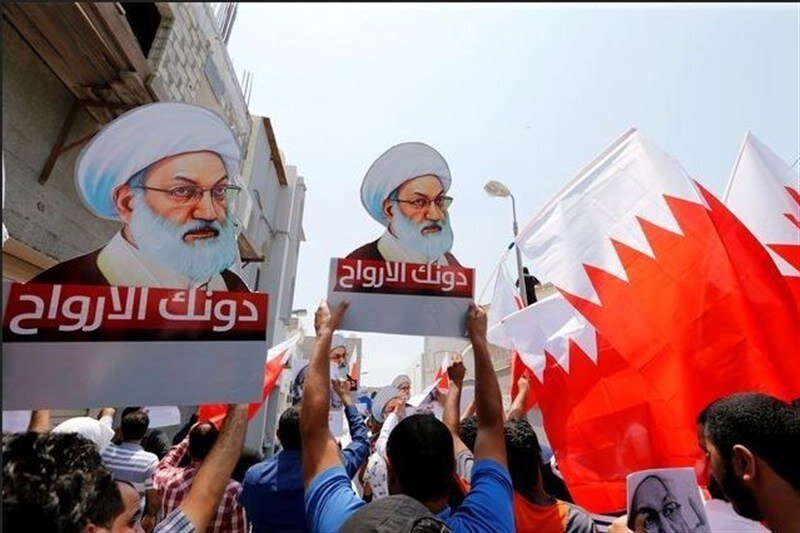
TEHRAN- Iran’s Foreign Ministry has strongly condemned Bahrain’s sentencing of Shiite religious scholars and citizens to lengthy prison terms, calling the rulings a systematic violation of human rights and an abuse of the judicial system to suppress legitimate demands.
-
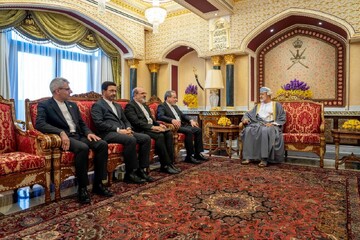
Araghchi meets Sultan of Oman in Muscat on bilateral ties, regional tensions
MUSCAT – Iranian Foreign Minister Seyed Abbas Araghchi met with Sultan Haitham bin Tariq Al Said of Oman in Muscat on Tuesday during an official visit to the Sultanate.
-
By Seyyed Mohammad Torabi
False flags for a failed war
CNN’s “dirty bomb” and NYT’s “military dams” seek to justify a war Americans reject
TEHRAN – As public opposition inside the United States to war with Iran grows louder, a familiar machinery is grinding back into motion: anonymous intelligence leaks, sensational headlines and speculative investigations that, taken together, seek to do one thing — retroactively justify a war of aggression that has already failed, and preemptively justify the next round of it.
-

Grand Ayatollah Vahid Khorasani Passes away at 105
TEHRAN- Grand Ayatollah Sheikh Hossein Vahid Khorasani, one of the most prominent Shiite religious authorities and Islamic scholars, has passed away at the age of 105.
-
Beginning of a new phase of structural decline
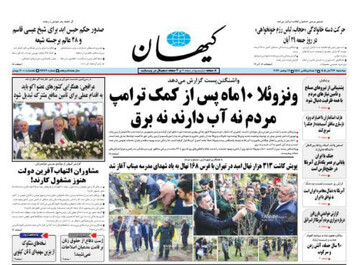
Kayhan argued that recent disruptions in the US aviation system reflect deeper weaknesses within the country. The newspaper wrote that when a nation claiming global leadership struggles to manage a basic domestic function such as its air transportation network, and when senior officials openly acknowledge technological shortcomings, it points to the beginning of a new phase of structural decline.
-

Iran calls for condemnation of US-Israeli attacks on peaceful facilities
TEHRAN- Iran’s ambassador to the United Nations has called for unequivocal condemnation of US-Israeli attacks on Iran’s peaceful nuclear, chemical and biological facilities, warning that international silence over such actions threatens the credibility of global disarmament and non-proliferation regimes.
-
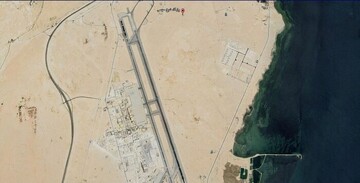
Iran strikes US radar system in Bahrain as Iran downs more drones
TEHRAN- The Islamic Revolution Guards Corps (IRGC) has announced the destruction of a US radar system at Sheikh Isa Air Base in Bahrain, while Iranian forces have intercepted and captured additional US drones in separate operations. Meanwhile, two separate maritime incidents involving tankers have been reported in the Persian Gulf and the Strait of Hormuz, amid heightened tensions in the strategic waterway.
-
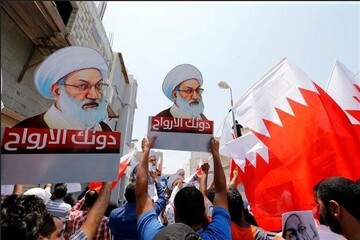
Iran condemns Bahrain's sentencing of Shiite clerics, citizens
TEHRAN- Iran’s Foreign Ministry has strongly condemned Bahrain’s sentencing of Shiite religious scholars and citizens to lengthy prison terms, calling the rulings a systematic violation of human rights and an abuse of the judicial system to suppress legitimate demands.
-

Nations’ futures determined by their people, not White House: Iran’s deputy FM
TEHRAN- Iranian Deputy Foreign Minister for Legal and International Affairs Kazem Gharibabadi has said that the future of nations, including those in South America facing US intervention, will be determined by the will of their independent and resilient peoples, not by decisions made in Washington.
-
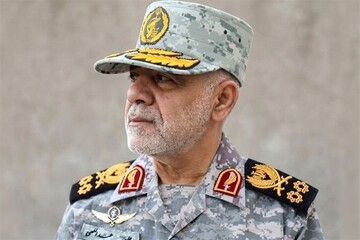
Iran to drive US forces back as far as South Pole: Top General
TEHRAN- The Chief of Staff of Iran’s Armed Forces, Major General Ali Abdollahi, has vowed that Iran will push American forces back from the region as far as the South Pole.
-
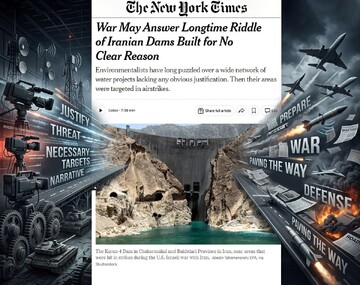
By Kurosh Alyani
Manufacturing consent to bomb civilian infrastructure
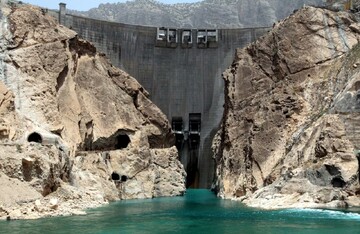
TEHRAN - On November 16, 2026, in the middle of the U.S. and Israeli war on Iran, The New York Times published a report that used the locations of airstrikes to suggest why Iran had built dams. The headline began with “War” and presented a riddle about dams supposedly built for no clear reason. The accompanying photograph showed the wall of the Karun-4 Dam and openings in the rock on either side. Before reaching the first paragraph, the reader saw a real dam alongside a hypothesis about missile facilities. A correction at the end clarified that strikes had occurred nearby and that the dam itself had not been hit.